







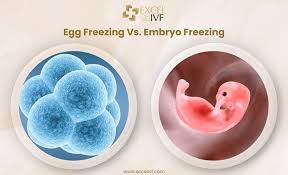
Planning Your Fertility Future: Key Differences Between Egg and Embryo Freezing Explained
In an age where personal and professional goals often require more time and flexibility, many individuals and couples are choosing to take control of their reproductive health through fertility preservation. Two of the most talked-about options today are egg freezing and embryo freezing. While both procedures aim to preserve fertility, they differ in important ways—from biological processes to legal considerations. Here’s a breakdown of what you need to know before deciding which option may be right for you.
What Is Egg Freezing?
Egg freezing, or oocyte cryopreservation, involves extracting a woman’s eggs, freezing them unfertilized, and storing them for future use. This method is ideal for women who aren’t ready to become parents but want to keep the option open. Whether due to career aspirations, personal choice, or medical reasons such as upcoming chemotherapy, egg freezing offers flexibility without the commitment of a partner or sperm donor.
The process typically begins with hormone injections to stimulate the ovaries to produce multiple eggs. Once matured, these eggs are retrieved in a minor surgical procedure and frozen using a method called vitrification, which rapidly cools the eggs to prevent ice crystal formation and potential damage.
What Is Embryo Freezing?
Embryo freezing, on the other hand, involves fertilizing the retrieved eggs with sperm before freezing. This method is commonly chosen by couples or individuals who are already using donor sperm and are confident about their plans for future parenthood. Because embryos are considered more stable than unfertilized eggs during the freezing and thawing process, this option may offer higher success rates when it comes to future pregnancies.
After fertilization, the embryo is allowed to develop for a few days before being frozen. This allows fertility specialists to assess embryo quality and viability, giving more information about potential outcomes during implantation later on.
Key Differences: Decision-Making Factors
One of the most significant distinctions between egg and embryo freezing lies in flexibility and legal complexity. Egg freezing allows more autonomy—ideal for women who are single or unsure about their future parenting partner. Embryo freezing, however, requires a decision about the sperm source up front, making it more suitable for committed couples or those using donor sperm.
There’s also a legal element to consider. Embryos, once created, can be subject to legal custody issues if the relationship status of the parties involved changes. Egg freezing avoids this complication since there is no fertilization until a later stage.
Success Rates and Medical Considerations
Success rates for both procedures have improved dramatically over the past decade, thanks to advancements in cryopreservation. However, studies generally show that embryo freezing results in slightly higher implantation and pregnancy success rates compared to egg freezing, particularly for women in their mid-to-late 30s.
That said, age at the time of freezing is a major factor for both methods. Eggs and embryos frozen at a younger age (typically before 35) have a better chance of leading to successful pregnancies, regardless of the method chosen.
Cost Implications and Accessibility
Cost is another factor worth considering. Both procedures can be expensive, but embryo freezing may involve additional costs due to fertilization and storage requirements. Additionally, not all clinics or insurance policies cover the procedures, particularly when done for non-medical (elective) reasons. It’s important to check with your healthcare provider or insurance plan before making a decision.
Some countries also have legal or ethical restrictions on embryo freezing, especially when it comes to storage duration and usage. Make sure to consult a fertility specialist who understands the local regulations before proceeding.
Which Option Is Right for You?
Ultimately, the decision between egg and embryo freezing is deeply personal and depends on individual circumstances, life goals, and relationship status. For women looking to preserve their fertility while keeping their options open, egg freezing offers more independence. For couples who are confident in their partnership and family plans, embryo freezing may provide better outcomes.
Consulting with a fertility expert is crucial in making an informed choice. A thorough assessment of your reproductive health, age, and future family goals can guide you toward the option that aligns best with your long-term vision.
Final Thoughts
As reproductive technology continues to evolve, so do the possibilities for planning parenthood on your own terms. Whether you choose to freeze eggs or embryos, what matters most is that you’re taking control of your fertility journey in a way that empowers you—today and in the future.