






How Laavish Living Envisions the Future of Furniture Retail in India
Laavish Living believes the future of furniture retail in India will be shaped by personalization, design-led experiences, and a growing focus on helping consumers create homes that reflect their lifestyles. As customer expectations continue to evolve, the furniture industry is undergoing significant changes that extend far beyond product selection and pricing.
India’s furniture market has grown steadily over the past decade, driven by urbanization, rising incomes, expanding residential development, and increasing awareness of interior design. However, the next phase of growth is expected to be defined not only by what consumers buy but also by how they buy it.
One of the most important trends influencing the future of furniture retail is personalization. Modern homeowners are increasingly seeking products that align with their individual tastes, space requirements, and lifestyle preferences. Rather than choosing standardized solutions, consumers want furniture that reflects their personality and enhances the way they live.
This demand for personalization is encouraging retailers to adopt more customer-centric approaches. Design consultations, curated recommendations, and customized solutions are becoming increasingly valuable as consumers seek guidance when creating cohesive and functional living spaces.
Technology is expected to play a central role in this transformation. Digital platforms have already changed the way consumers discover and research furniture. Online catalogs, virtual inspiration galleries, and interactive browsing experiences allow customers to explore a wide range of options before visiting a showroom. As technology continues to advance, furniture retailers will likely integrate additional tools that simplify decision-making and improve the customer experience.
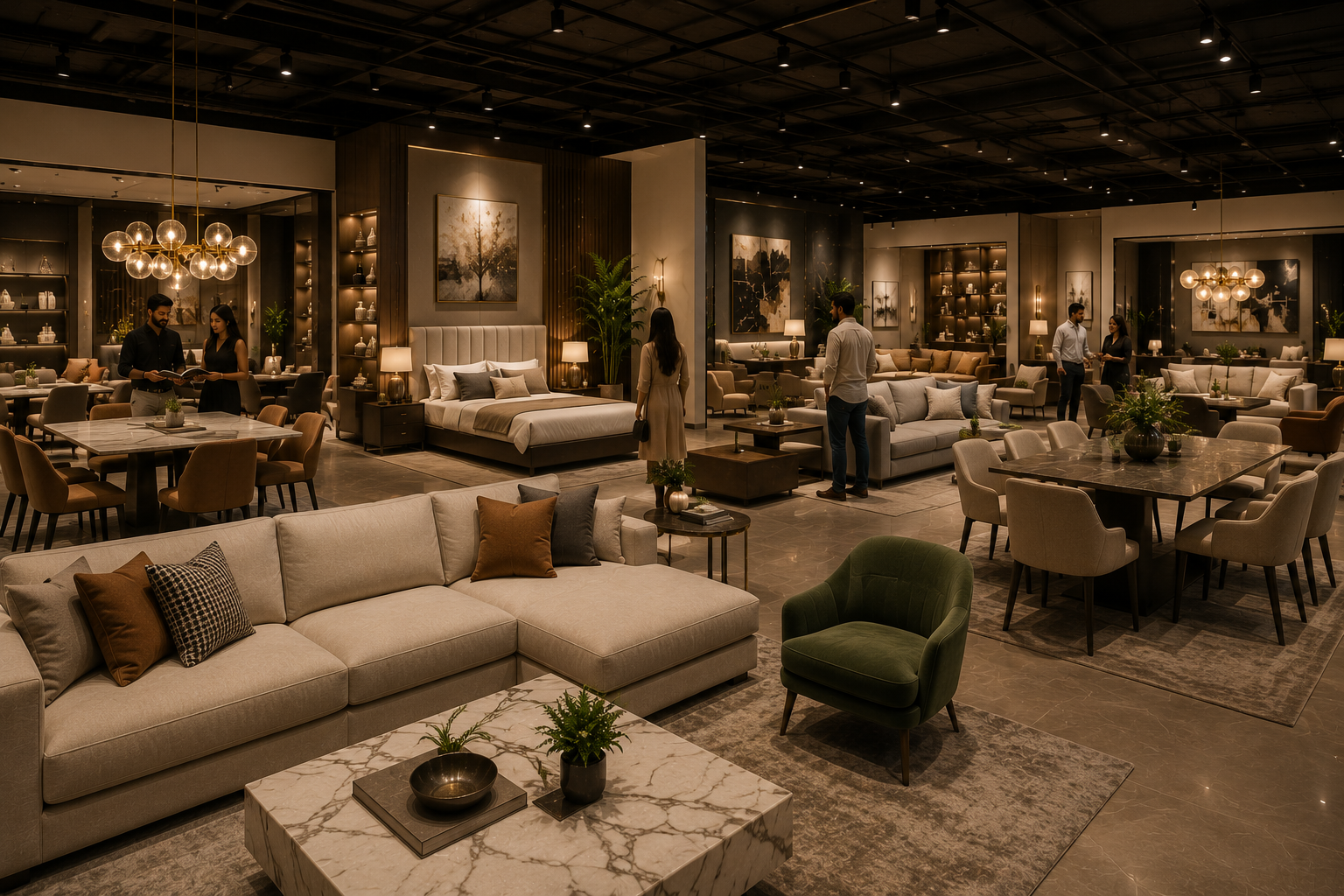
At the same time, physical retail remains an essential component of the furniture-buying journey. Unlike many other consumer products, furniture purchases often involve significant emotional and financial investment. Customers want to experience comfort levels, assess material quality, and understand scale and proportions before making a final decision.
As a result, the future of furniture retail is expected to revolve around an omnichannel model that combines digital convenience with immersive in-store experiences. Consumers will increasingly move between online and offline touchpoints, using each channel for different stages of their purchasing journey.
Another trend shaping the industry is the growing emphasis on design expertise. Homeowners today are more informed and design-conscious than ever before. They are not simply looking for furniture; they are seeking solutions that help them create attractive, comfortable, and functional environments. Retailers that provide inspiration, education, and design guidance are likely to strengthen customer relationships and build long-term loyalty.
Sustainability and long-term value are also becoming important considerations. Consumers are increasingly interested in products that offer durability, quality craftsmanship, and lasting appeal. This shift is encouraging a move away from disposable purchasing habits toward more thoughtful investment decisions.
The growth of India’s premium housing sector is expected to further influence furniture retail. As consumers invest in higher-quality homes, demand for premium furnishings and curated interior solutions is likely to increase. This creates opportunities for businesses that can combine quality products with exceptional customer experiences.
Industry observers believe the furniture sector is entering a period of significant innovation. The most successful retailers will be those that understand changing consumer expectations and adapt accordingly. Personalization, technology, design expertise, and customer engagement will become increasingly important competitive advantages.
As India’s home furnishing market continues to mature, the role of furniture retail will expand beyond transactions and product sales. The focus will increasingly shift toward helping consumers create living environments that support comfort, functionality, and personal expression. The future of the industry will belong to brands that successfully combine these elements while delivering meaningful experiences at every stage of the customer journey. For more information, visit https://www.laavishliving.com