






Eat a Thali and Then Decide”: US Food Critic Calls Out TasteAtlas for Underrating Indian Cuisine
In a moment that has sparked intense debate and national pride, a popular American food critic has publicly criticized the global food ranking platform TasteAtlas for placing Indian cuisine at the 12th spot in its latest global rankings. His advice to the platform? “Eat one thali and reflect.”
This remark has not only gone viral but also reignited discussions around the global perception of Indian food and the deep cultural richness it brings to the table.
The Controversy: Why Indian Food at 12th Rank Raised Eyebrows
TasteAtlas, a well-known online food and travel guide, recently released its global list of top cuisines. While the platform prides itself on “crowd-sourced culinary insight,” its ranking of Indian cuisine at number 12 drew significant backlash—especially from fans, food critics, and cultural enthusiasts worldwide.
For a nation known for its diverse spices, regional variations, and centuries-old recipes, being placed behind lesser-known culinary giants felt like a snub. And leading the global reaction was an American food reviewer who didn’t hold back.
“Try a Thali First”: The Comment That Went Viral
The US foodie, known for his exploration of global street food and traditional meals, slammed the rankings, saying that one traditional Indian thali alone could outshine complete national menus of several higher-ranked countries.
“How can you judge a cuisine without understanding its complexity? One Indian thali offers more flavor, diversity, and technique than entire menus elsewhere. Eat one thali and reflect before ranking,” he remarked.
His statement resonated deeply with Indian netizens and global food lovers alike, with many calling it a “mic drop moment” in defense of Indian cuisine.
The Glory of the Thali: A Meal That Represents a Culture
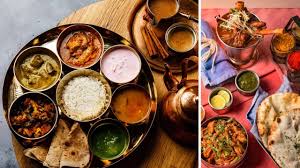
A thali is more than just a plate of food—it’s a culinary narrative of a region. From the tangy rasam of the South to the rich paneer butter masala of the North, and the subtle flavors of the East to the spicy dishes of the West—India’s thalis represent a harmonious blend of sweet, spicy, sour, and savory.
Served with multiple accompaniments like dals, vegetables, pickles, chutneys, rotis, rice, and desserts, a thali isn’t just food—it’s an experience. The US critic’s comment shines a light on this often overlooked gem in global food conversations.
Food Rankings and Cultural Bias: A Larger Issue?
This isn’t the first time Indian cuisine has been undervalued by international food platforms. Many critics argue that global rankings often favor European palettes and overlook non-Western food cultures due to a lack of contextual understanding or representation.
Indian food, with its regional diversity and strong historical roots, often falls victim to oversimplification. Dishes like butter chicken or tikka masala may get international fame, but the true depth of Indian cuisine—its fermented dishes, tribal cooking methods, seasonal ingredients, and Ayurvedic principles—is rarely explored in global evaluations.
The Global Backlash: India Speaks Up
Following the viral remark, social media platforms in India and abroad were flooded with food lovers defending Indian cuisine. Hashtags like #ThaliIsLife, #RespectIndianCuisine, and #FlavoursOfIndia started trending, with users posting pictures of their favorite regional thalis, home-cooked meals, and traditional recipes.
Many celebrities, chefs, and food influencers joined the conversation, some even challenging TasteAtlas to spend a month in India tasting local food before finalizing their rankings next year.
Final Thoughts: A Plate Full of Pride
While rankings may come and go, the love and respect for Indian cuisine remain deeply rooted among its people. The viral comment from the American foodie serves as a reminder that food is not just about taste—it’s about culture, heritage, and identity.
Perhaps it’s time global platforms take a deeper, more immersive look into what they’re ranking. Because sometimes, one thali really is worth a thousand words.