







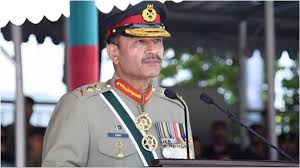
India Responds Strongly to Pakistan Army Chief’s Nuclear Rhetoric
In a sharp diplomatic rebuttal, India has dismissed recent remarks by Pakistan Army Chief General Asim Munir regarding nuclear capabilities, calling them a predictable example of Islamabad’s “stock-in-trade” strategy. The statement comes amid heightened regional tensions, with New Delhi emphasizing that such rhetoric only underscores Pakistan’s long-standing reliance on nuclear sabre-rattling to divert attention from pressing internal and global issues.
Pakistan’s Provocative Remarks
General Asim Munir’s comments, made during a recent military address, hinted at Pakistan’s readiness to respond to perceived threats with nuclear force. This is not the first time such statements have been issued by the Pakistani establishment; over the years, similar declarations have been a recurring part of its strategic messaging. Observers note that such remarks are often timed to coincide with moments of political pressure or diplomatic isolation faced by Pakistan on the global stage.
India’s Firm Stand
India’s Ministry of External Affairs responded swiftly, stating that the world is well aware of Pakistan’s habitual use of nuclear threats as a political and strategic tool. New Delhi stressed that such tactics neither intimidate India nor alter its commitment to safeguarding national security through responsible, restrained, and credible defense policies. Officials reiterated that India’s focus remains on peace and stability in the region, but it will respond decisively to any provocation that threatens its sovereignty.
The Pattern of Nuclear Posturing
Experts point out that nuclear sabre-rattling has been an integral part of Pakistan’s defense narrative for decades. By invoking nuclear threats, Islamabad often seeks to overshadow domestic instability, economic crises, and international scrutiny over its alleged support for cross-border terrorism. Analysts believe that this approach is aimed at signaling deterrence but often undermines Pakistan’s credibility in the eyes of the global community.
International Reaction
The global response to Munir’s remarks has been measured but cautious. Several countries and security analysts have called for restraint, urging both India and Pakistan to focus on dialogue rather than confrontation. However, the international consensus remains clear—nuclear threats, especially in South Asia’s volatile environment, risk triggering unintended escalations with severe consequences for regional and global security.
India’s Strategic Messaging
India’s sharp dismissal of Pakistan’s nuclear rhetoric also serves as a reminder that it will not allow itself to be drawn into provocative exchanges. Instead, New Delhi continues to invest in strengthening its military preparedness while simultaneously advocating for diplomatic solutions to long-standing disputes. This dual approach is intended to reassure allies and signal to adversaries that India is both ready for peace and prepared for defense.
Conclusion
The latest exchange highlights the enduring tensions between the two nuclear-armed neighbors and the challenges of maintaining stability in South Asia. While Pakistan’s leadership appears committed to keeping nuclear threats in its strategic toolkit, India’s firm response reinforces its stance that intimidation will not dictate its policies. The message from New Delhi is clear—responsible leadership demands dialogue, not dangerous rhetoric.