







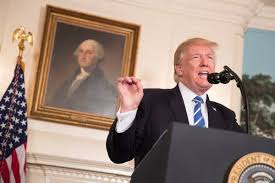
Trump-Style Diplomacy: Loud, Unfiltered, and America-First to the Core
In the realm of global politics, traditional diplomacy has often been marked by subtlety, strategy, and behind-the-scenes negotiations. But with Donald Trump at the helm of U.S. foreign policy during his presidency, a dramatic shift emerged—one that was loud, public, and unapologetically centered around the notion of “America First.” This unique, brash approach—popularly dubbed “Trumplomacy”—continues to stir debate even today.
A New Era of Public Diplomacy
Donald Trump redefined how world leaders communicate with each other and with global audiences. Gone were the carefully curated diplomatic statements or backchannel discussions. Instead, Trump took to Twitter and press conferences to make his positions known, often with just 280 characters. His public outbursts, direct challenges, and sometimes shocking proclamations became a hallmark of his foreign policy.
Supporters saw this as transparency in action. For them, Trump was saying aloud what many leaders think but never dare admit. His critics, however, viewed it as reckless and destabilizing—an approach that sidelined nuanced diplomacy for media soundbites.
America First, Always
At the heart of Trump’s foreign policy was a simple but forceful idea: American interests must always come first. Whether it was withdrawing from multinational agreements like the Paris Climate Accord or renegotiating trade deals such as NAFTA (rebranded as USMCA), Trump made it clear that the U.S. would no longer play what he saw as a losing game of global cooperation at the expense of domestic prosperity.
This stance struck a chord with many Americans who felt that the country had, for too long, been too generous to allies without sufficient return. But this approach also rattled international allies who were used to more predictable, consensus-driven leadership from Washington.
Tough Talk on China and NATO
Trump’s diplomacy often involved calling out global powers in ways that previous presidents avoided. He was particularly vocal against China—criticizing trade imbalances, intellectual property theft, and the pandemic response. His administration’s tariffs and tough rhetoric made headlines and reshaped U.S.-China relations significantly.
Likewise, Trump challenged NATO members to increase their defense spending, accusing them of relying too heavily on American military might without contributing their fair share. While controversial, this tough-love strategy did push some allies to reconsider their commitments, albeit grudgingly.
The Theatrics and The Outcomes
From dramatic handshakes with North Korea’s Kim Jong-un to heated exchanges at G7 summits, Trump’s style was undeniably theatrical. These moments dominated headlines, often overshadowing deeper policy work. Yet in some cases, this approach opened doors—for example, initiating dialogues with long-standing adversaries like North Korea, even if the outcomes remained inconclusive.
For Trump, diplomacy wasn’t just about agreements—it was about asserting dominance, commanding attention, and projecting American strength. This performative edge appealed to his base but raised eyebrows among diplomats worldwide.
The Legacy of Trumplomacy
Whether admired or criticized, Donald Trump’s foreign policy style left a lasting mark. It reshaped how the U.S. is perceived on the world stage—more assertive, less predictable, and certainly more visible. Even after his presidency, echoes of Trumplomacy remain in political rhetoric, both in America and abroad.
As global power dynamics continue to evolve, historians and political analysts will debate the effectiveness of Trump’s approach for years to come. Was it a necessary shake-up in an outdated system, or a dangerous detour from diplomatic norms? Either way, Trump’s brand of diplomacy ensured that the world paid attention—and that was exactly the point.