





Modi’s Strategic Diplomacy in the Maldives Signals India’s Long-Term Vision in the Indian Ocean Region
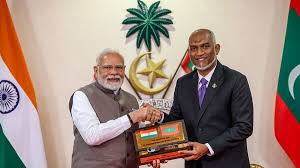
In the realm of South Asian geopolitics, subtle moves often speak louder than grand gestures. Prime Minister Narendra Modi’s continued diplomatic engagement with the Maldives is a textbook example of this quiet yet powerful approach. While recent tensions with the island nation have raised eyebrows, India’s nuanced, calculated diplomacy suggests it is in no rush — it’s playing the long game.
Steady Hands Amid Turbulent Waters
The Maldives has seen political shifts that have strained its traditionally close ties with India. Recent pro-China sentiments from the current Maldivian leadership have created diplomatic challenges. However, rather than responding with aggression or withdrawal, the Modi administration has chosen a measured, strategic path. India continues to maintain diplomatic ties, infrastructure support, and defense cooperation, signaling that short-term setbacks won’t distract from long-term regional goals.
This approach underscores India’s understanding that diplomacy isn’t a sprint but a marathon. By continuing engagement even during friction, New Delhi is ensuring its relevance and presence in the Maldives remains intact for the future.
Maritime Significance and Regional Influence
The Maldives’ geographic location in the heart of the Indian Ocean makes it a strategic outpost for regional and global trade routes. Recognizing this, India has long invested in infrastructure, naval cooperation, and soft power initiatives in the archipelago. Modi’s current focus reflects India’s intent to maintain maritime dominance and check China’s growing influence in the region.
Be it the construction of bridges, hospitals, or training Maldivian defense personnel, India’s investments go beyond economics—they’re symbols of strategic trust. The long-term goal? Cementing India’s role as the preferred partner for the Maldives in a rapidly polarizing Indo-Pacific landscape.
Beyond Power Politics: The People Connect
What makes India’s approach particularly effective is its people-centric dimension. India has consistently offered the Maldives humanitarian aid, educational scholarships, and medical support. These initiatives foster goodwill that no political alliance can replicate. Even during leadership transitions in Malé, India’s outreach to the common citizen of the Maldives remains strong, building a foundation that outlives political cycles.
This people-first diplomacy is a cornerstone of Modi’s foreign policy. It isn’t just about immediate influence but about cultivating a sense of mutual respect and interdependence that will benefit India in the years to come.
Navigating the China Factor
The elephant in the room—China’s increasing footprint in the Maldives—hasn’t gone unnoticed by New Delhi. However, rather than engage in overt confrontation, India is leveraging its cultural affinity, geographic proximity, and democratic values to counterbalance Beijing’s cheque-book diplomacy.
PM Modi’s approach indicates that India is focused on building resilient, long-term partnerships rather than transactional ties. While China may win contracts, India is betting on building trust. And in the geopolitics of tomorrow, trust will likely prove more valuable than infrastructure loans.
Conclusion: Patience as a Strategic Asset
PM Modi’s diplomatic posture toward the Maldives reveals a maturity in India’s foreign policy—one that favors patience, resilience, and a long-term vision. While geopolitical winds may shift, India is anchoring itself through consistent engagement, people-to-people ties, and strategic investments.
As the Indian Ocean emerges as a key theatre for global competition, India’s steadfast commitment to the Maldives shows it isn’t just reacting to change—it’s preparing to shape it.