






Abhishek Singhvi Criticizes ECI for Targeting the Messenger Instead of Addressing Core Issues
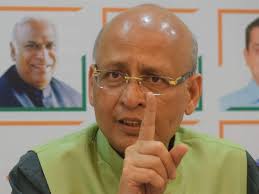
In a sharp critique of the Election Commission of India (ECI), senior Congress leader and Rajya Sabha MP Abhishek Manu Singhvi has accused the poll body of “shooting the messenger” while sidestepping the real concerns being raised. His remarks come amid a heated political climate, where questions about transparency, fairness, and institutional accountability are taking center stage. Singhvi’s statement reflects a growing sentiment within opposition ranks—that instead of addressing the substance of complaints, the ECI is focusing on silencing those who voice them.
A Direct Attack on the ECI’s Approach
Singhvi minced no words when highlighting what he believes is a misplaced priority on the ECI’s part. “Instead of listening to the core issues, the Election Commission seems more interested in going after those who point them out,” he remarked during a press interaction. According to him, this approach undermines democratic discourse, as it shifts attention away from genuine electoral grievances and focuses on punishing criticism.
This, he argued, not only erodes public trust in one of the country’s most vital institutions but also sets a dangerous precedent for future political engagement. When the messenger is silenced, Singhvi warned, the message itself risks being buried—robbing citizens of the opportunity to debate and demand accountability.
The Larger Political Context
The Congress leader’s comments come at a time when the opposition has been raising multiple concerns over the conduct of elections, from alleged misuse of administrative machinery to questions about the independence of the ECI. While the Commission has maintained that it operates impartially and within the law, Singhvi and others believe that its recent actions tell a different story.
Critics argue that democracy thrives only when dissent is allowed to flourish and institutions remain open to scrutiny. If the ECI is seen as acting defensively or retaliating against criticism, Singhvi said, it could weaken faith in the electoral process—something no democracy can afford.
A Call for Institutional Introspection
Singhvi’s remarks also carried a call for institutional self-reflection. He urged the ECI to return to its core duty: ensuring free, fair, and transparent elections, rather than engaging in political tussles. “We must protect our institutions from being reduced to tools of intimidation,” he said, stressing that the strength of a democracy lies in the credibility of its electoral machinery.
The Congress leader emphasized that addressing genuine concerns—whether about electoral rolls, voting machines, or administrative neutrality—should be a priority. Avoiding the message, he argued, only fuels suspicion and deepens political polarization.
Conclusion: A Debate Beyond Party Lines
While Singhvi’s remarks come from an opposition standpoint, the issues he raised go beyond partisan politics. The health of India’s democracy depends not only on the integrity of elections but also on the ability of citizens and political actors to question, critique, and demand better.
In that light, Singhvi’s charge against the ECI isn’t just about one political dispute—it’s about the fundamental relationship between the people, their representatives, and the institutions meant to safeguard their rights. As the nation gears up for future polls, whether the ECI chooses to confront the message rather than the messenger could determine the very credibility of the democratic process.