




One Year Since the Bangladesh Coup: A Nation in Transition, Eyes Set on Elections
A year after the dramatic political upheaval that shook Bangladesh to its core, the nation finds itself at a crossroads. The military-led coup of 2024, which ousted the democratically elected government amid allegations of corruption and civil unrest, sparked global concern and domestic uncertainty. Now, as the country navigates a delicate return to normalcy, citizens and international observers are asking: what has truly changed, and when will Bangladesh hold its next democratic elections?
Political Landscape Post-Coup: Stability or Stagnation?
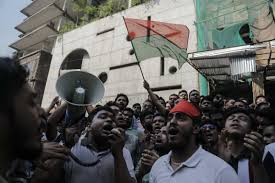
Since the coup, Bangladesh has been under a transitional administration backed by the military. While the leadership has pledged to restore democratic order, the promised timeline has been vague and often delayed. Political activities by opposition parties have resumed cautiously under strict surveillance, and while public protests have decreased, tension continues to simmer beneath the surface.
The interim government claims to have focused on stabilizing the economy and cracking down on corruption, yet critics argue that civil liberties have been curtailed and political dissent suppressed. Prominent leaders of opposition parties remain under investigation, and media outlets have reported increased censorship and surveillance.
Economic Shifts and Policy Changes: A Mixed Bag
Economically, the post-coup government has introduced a series of structural reforms aimed at restoring investor confidence. Infrastructure spending has increased, and efforts have been made to attract foreign direct investment, especially from China and Middle Eastern partners. Inflation has come under control, and the taka has shown signs of recovery.
However, questions persist over long-term sustainability. While the interim administration touts progress, rural areas continue to struggle with access to basic services, and unemployment—particularly among youth—remains a pressing concern. Labor unions have also criticized the regime for failing to protect workers’ rights, especially in Bangladesh’s critical garment industry.
Human Rights and Freedoms: Progress or Regression?
One of the most contentious aspects of the past year has been the human rights record of the transitional government. International watchdogs have highlighted alleged abuses, including arbitrary arrests, enforced disappearances, and constraints on freedom of speech.
Despite promises of reform, many civil society organizations have been silenced or severely restricted. In a climate of fear and uncertainty, journalists and activists operate with caution, aware that critical reporting may invite severe consequences. While some laws have been introduced to improve transparency and reduce corruption, enforcement remains inconsistent.
The Road to Elections: Delayed Yet Demanded
Initially, the military-backed administration had promised general elections within a year of the coup. However, shifting political dynamics and logistical challenges have led to multiple postponements. Officials now say that national elections are expected in mid-2026, pending the completion of a comprehensive voter roll update and electoral reforms.
Opposition leaders and global observers are pressing for a free and fair election, monitored by independent international bodies. Many believe that only a transparent democratic process can restore legitimacy to the government and rebuild public trust. The coming months will be crucial in determining whether the current leadership is truly committed to democratic principles or merely buying time.
Public Sentiment: Hope Laced with Caution
Among the people of Bangladesh, emotions are mixed. While some applaud the return of law and order and economic stabilization, others remain skeptical about the long-term intentions of the ruling power. Social media continues to be a platform for expression—albeit a heavily monitored one—and the youth in particular are demanding accountability, transparency, and a firm election timeline.
The legacy of the coup has left behind a fractured political climate, but it has also awakened a sense of civic awareness among citizens. Grassroots movements, though operating under constraints, continue to push for reform and democratic renewal.
Looking Ahead: A Defining Year for Bangladesh
As Bangladesh marks one year since its unexpected political detour, the path forward remains both uncertain and full of potential. The country stands at a pivotal moment in its history—facing the dual challenge of restoring democratic institutions while addressing socioeconomic disparities that fuel unrest.
All eyes are now on the promised elections, seen by many as the ultimate test of the government’s sincerity. Will Bangladesh emerge stronger, or will the shadows of the past continue to define its future?
Only time—and the ballot box—will tell.