






A State Grieves, A Nation Reflects: The Passing That Stirred the Soul of Jharkhand and Beyond
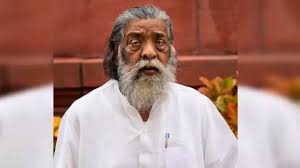
In a poignant moment that has touched every corner of Jharkhand and sent ripples of reflection across the country, the state mourns the loss of one of its most iconic and revered leaders. As black flags are hoisted, and public life slows in collective sorrow, this is more than just a regional moment of grief—it is a national reckoning with legacy, leadership, and the power of connection between a leader and the land they served.
A Leader Rooted in the Soil of Jharkhand
The loss has not just silenced political halls—it has pierced the hearts of the people. The departed leader was not merely a figure of authority but a symbol of Jharkhand’s identity, dreams, and struggles. From the tribal heartlands to urban centers like Ranchi and Jamshedpur, this individual carried the voice of the marginalized with dignity and purpose.
He wasn’t a leader created in political laboratories—he was born from the grassroots. Known for walking among his people, sharing their meals, listening to their stories, and understanding their pain, his brand of leadership resonated because it was real. In him, Jharkhand saw not just a politician, but a father figure—someone who stood by the people in both crisis and calm.
National Leaders Join in the Chorus of Condolence
What makes this moment even more profound is how swiftly condolences have poured in from all parts of India. From the Prime Minister to chief ministers of other states, and from political veterans to first-time parliamentarians, the message was clear: this loss belongs to the entire nation.
Leaders across parties recalled moments of personal interaction, lauded his unwavering commitment to tribal rights, and hailed his contribution to state formation and identity. Many noted that despite political differences, there was always mutual respect, and a sense of admiration for his persistence, simplicity, and sincerity.
Public Response: A River of Emotion
Streets in Jharkhand have become processions of mourning. Markets were voluntarily shut, temples and churches held special prayer services, and thousands turned out to pay their last respects. Social media turned into a tribute wall, with hashtags like #JharkhandKeMasiha and #NationMourns trending nationwide.
Ordinary citizens—farmers, students, teachers, daily-wage workers—shared their personal stories of how his initiatives had improved their lives. Be it his efforts in land reform, forest rights, education, or employment generation, his influence ran deep and wide.
Reflecting on a Legacy That Goes Beyond Politics
This isn’t just the end of a political chapter. It’s the closing of a story that represented hope for millions. His journey from the grassroots to national politics symbolized the possibility of inclusive leadership. His unwavering focus on tribal welfare, environmental protection, and social justice will remain benchmarks in governance.
More than anything, he taught an important lesson to modern politics: empathy is not a strategy, it is a strength. His ability to listen deeply, speak with purpose, and act with intent set him apart in an era increasingly driven by optics.
What the Future Must Remember
As Jharkhand mourns and India reflects, there’s an underlying question emerging: who will carry forward this legacy? The responsibility now lies with current and future leaders to not just remember the man, but also uphold the values he championed—dignity for the underserved, honest governance, and a commitment to unity amidst diversity.
Discussions are already underway to honor his memory with scholarships, tribal welfare initiatives, and infrastructure projects named after him. But more than monuments, it is his principles that must be preserved. That will be the true tribute.
A Nation’s Salute
In life, he was a bridge between tradition and progress. In death, he has become a symbol of unity, humility, and leadership that puts people first. As the tricolor flutters at half-mast and condolences continue to pour in, India is not just bidding farewell to a leader—it’s honoring a legacy of service, sacrifice, and sincerity.
The echo of his ideals will not fade with time. They will remain etched in the spirit of Jharkhand and in the conscience of a grateful nation.
In his memory, may we all lead with compassion, listen with patience, and serve with purpose.