





McDonald’s Sparks Controversy in Operation Sindoor Debate: Why the Fast Food Giant Was Dragged Into Parliament
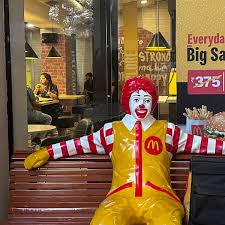
In a surprising twist during the ongoing debate over Operation Sindoor in Parliament, global fast-food behemoth McDonald’s found itself at the centre of an unexpected political storm. What began as a high-stakes discussion on national security and accountability soon took an unusual turn when an MP passionately raised concerns about the American burger chain’s alleged insensitivity toward Indian sentiments — prompting calls from some quarters to “shut McDonald’s.”
A Heated Debate, A Sudden Pivot
The focus of the parliamentary session was Operation Sindoor — a critical mission launched to rescue stranded Indian nationals in a volatile region abroad. Lawmakers across party lines were discussing the operation’s logistics, timing, and diplomatic implications. However, during a particularly charged moment, a member of Parliament digressed sharply from the main agenda to highlight what they described as “cultural disrespect and corporate irresponsibility” by multinational brands, singling out McDonald’s as a case in point.
This diversion caught many by surprise but quickly gained traction as other MPs chimed in, drawing links between foreign companies’ practices and the broader narrative of national pride.
The Allegation: Disrespect or Misinformation?
The crux of the accusation stemmed from an old controversy wherein McDonald’s outlets in certain regions were alleged to have disrespected religious sentiments — particularly with regard to beef-related menu items and internal labeling practices. Although McDonald’s India has repeatedly clarified that their local menus do not serve beef or pork and adhere strictly to regional preferences, critics argue that deeper oversight and accountability are still lacking.
The MP who raised the issue connected the dots between cultural insensitivity and national morale, claiming that allowing foreign chains to operate without scrutiny undermines the very spirit that missions like Operation Sindoor seek to protect.
From Burgers to Bharat: A Symbolic Fight?
At first glance, the mention of McDonald’s in a defense and diplomacy debate may seem misplaced. However, political analysts say the move was symbolic — a broader expression of growing sentiment against what some perceive as unchecked Western influence in Indian culture and commerce.
In this context, McDonald’s became more than a fast-food chain. It was painted as a representative of external forces that, in the eyes of certain politicians, require regulation or rejection in order to foster a more self-reliant, culturally respectful India.
Corporate Response: Silent or Strategic?
As of now, McDonald’s has not issued any formal response to the parliamentary mention. However, industry insiders say the company is monitoring the situation closely. Given its significant footprint in India — with over 300 outlets and thousands of local employees — any backlash in Parliament can potentially influence public perception, footfall, and even policy.
This isn’t the first time McDonald’s has faced scrutiny in India, but being dragged into a national security debate raises the stakes significantly.
Public Reactions: Mixed Sentiments
Public opinion remains divided. While a section of the population resonates with the call to protect Indian values from global homogenization, many others have criticized the diversion as theatrical and unrelated to the core issue of Operation Sindoor. Social media has been buzzing with hashtags like #ShutMcDonalds and #BurgerDebate, with memes, think-pieces, and hot takes from both ends of the political spectrum.
Some commentators pointed out the irony of targeting a food chain during a discussion on military strategy, suggesting that Parliament’s priorities may need recalibration.
Final Thoughts
The unexpected entry of McDonald’s into the Operation Sindoor debate reflects the complex and often unpredictable nature of Indian political discourse. It highlights how symbols — whether corporate or cultural — can be wielded powerfully in the arena of national identity and policymaking.
As the dust settles, the question remains: Was this an earnest attempt to push for cultural accountability, or merely a distraction from more pressing matters? Regardless of where one stands, it’s clear that even something as seemingly apolitical as a burger can become part of a larger battle for India’s values and voice.