








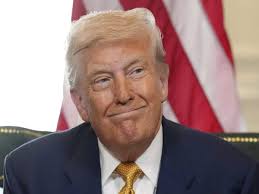
Donald Trump Secures Landmark Trade Pact with European Union—Here’s What It Means for Global Markets
In a move that could significantly reshape the global trade landscape, former U.S. President Donald Trump has announced what he calls the “biggest-ever” trade agreement with the European Union. The deal, which comes amid ongoing global economic uncertainty and shifting alliances, is being hailed by his supporters as a masterstroke of diplomacy and economics—while sparking fierce debate among analysts and political critics alike.
A Deal of Unprecedented Scale
According to initial reports, this historic agreement focuses on reducing tariffs, eliminating key trade barriers, and opening up massive opportunities for exports on both sides of the Atlantic. Trump described the deal as a “win-win” for both America and the EU, with special emphasis on U.S. agricultural products, energy exports, and industrial goods.
For the European Union, the pact provides greater access to U.S. tech infrastructure and manufacturing sectors—potentially giving EU-based businesses a much-needed boost during a time of economic recalibration across the continent.
Key Sectors to Benefit from the Pact
The deal outlines specific advantages for various industries, including:
- Agriculture: U.S. farmers will now have significantly improved access to European markets, especially for soybeans, grains, and meat products.
- Technology and Innovation: The EU will benefit from increased collaboration with U.S.-based technology firms, allowing for greater innovation, research sharing, and reduced restrictions on digital services.
- Energy: Europe will be able to import more liquefied natural gas (LNG) and clean energy technologies from the U.S., potentially decreasing dependence on other global players like Russia.
This broad-spectrum approach ensures mutual benefits across multiple economic sectors and promises long-term gains for both economies.
Geopolitical Implications and Strategic Timing
The announcement comes at a time when global politics are increasingly influenced by economic alliances. With the EU navigating its post-Brexit economic path and the U.S. redefining its international trade policies, this agreement signals a strengthening of transatlantic ties.
For Trump, it serves as a strong statement of leadership on the international stage, potentially boosting his standing ahead of key political timelines. The deal also subtly counters China’s growing influence by reinforcing Western economic cooperation.
Critics Raise Eyebrows Amid Celebrations
While many have praised the agreement for its ambition, critics caution that the fine print will determine its true impact. Concerns about long-term regulatory clashes, data privacy standards, and environmental trade-offs have been raised by some EU officials and global economists.
Environmental groups, in particular, are watching closely, worried about how increased industrial activity and agricultural trade could affect sustainability goals set by both regions.
Market Reactions and Investor Sentiment
Global markets reacted positively to the announcement. Stock indexes in both the U.S. and EU ticked upwards, with notable gains in agriculture, tech, and energy sectors. Analysts suggest that this surge reflects investor confidence in stronger bilateral trade frameworks and increased economic predictability.
However, market experts warn that much depends on how the deal is implemented and whether it leads to actual trade flow increases or remains largely symbolic.
Conclusion: A Strategic Gamble or a Diplomatic Masterpiece?
Donald Trump’s “biggest-ever” trade agreement with the EU could redefine the dynamics of global commerce. If executed effectively, it could bring real economic value and reinforce geopolitical bonds between the two powerhouses. However, the complexities of international trade mean that both opportunities and risks lie ahead.
As the world watches how this monumental pact unfolds, one thing is certain—Trump has once again taken center stage with a bold economic move that could echo across industries and borders for years to come.