


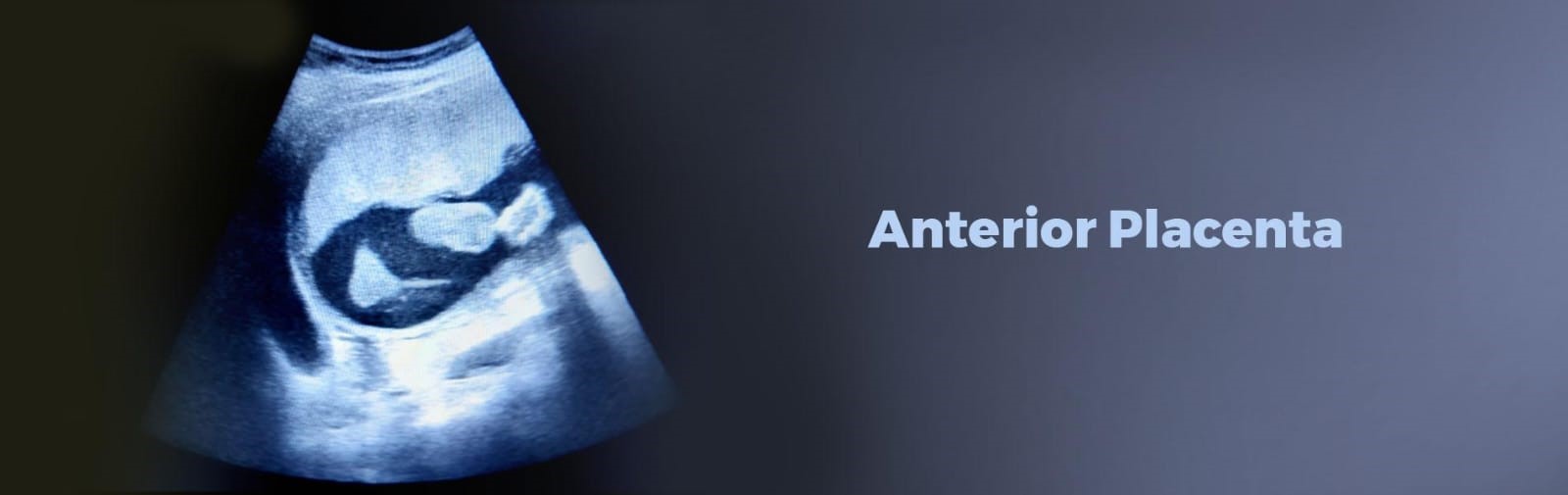
Anterior Placenta: What is the Effect of Placental Position on Pregnancy?
Pregnancy is a time in a woman’s life that requires utmost attention and care. This period is also predominantly supported by an organ called placenta, which exclusively develops during pregnancy to mediate the exchange of oxygen, nutrients, and fluids between the mother and the growing fetus. Interestingly, the placenta and associated birth tissues such as the umbilical cord are rich sources of stem cells. In particular, stem cells from the umbilical cord blood can be collected at birth and preserved through stem cell banking. LifeCell’s Community Banking program enables families to safely store these precious stem cells for potential future medical use.
The location of the placenta within the uterus becomes an important determinant of placental blood flow and the pregnancy success. The placental location is determined during the second trimester ultrasound screening. The placenta can be located on the top wall (fundal placenta), side walls (lateral placenta), back wall (posterior placenta), or on the front wall (anterior placenta) of the uterus.
A Little About Anterior Placenta
Anterior placenta refers to the attachment of the placenta to the front wall of the uterus. This attachment occurs during implantation (a process wherein your fertilised egg attaches to the lining of the uterus, marking the beginning of pregnancy). The front wall of the uterus is still a normal place for implantation and development of the placenta in about 50% of pregnancies. The anterior position of the placenta does not impact its ability to provide nourishment to your baby.
Causes That May Lead to Anterior Placenta
One cannot control the location of implantation and the resultant development of placenta in the uterus. However, there are a few possible factors that may influence the development of placenta in the anterior region, such as
- Late pregnancy in women may increase the risk of developing an anterior placenta.
- Women with a previous history of cesarean delivery are more likely to have an anterior placenta in subsequent pregnancies.
- Smoking during pregnancy may lead to placenta-related issues like anterior placenta.
- Twin or multiple pregnancies can lead to the possibility of an anterior placenta for one of the fetuses.
- A history of placental abnormalities in previous pregnancies are at a higher risk for anterior placenta.
Drawbacks of Having an Anterior Placenta
Anterior placenta acts as a barrier between the baby and the mother’s abdomen, thereby leading to:
- Reduced or delayed movement of the baby
- Reduced sensitivity to fetal heart rate monitoring,
- Increased risk of prenatal bleeding, and
- Challenges during labor.
Pregnancy Risks Associated with Anterior Placenta
While it is absolutely normal to have an anterior placenta, there are a few risks such as placenta previa (a pregnancy complication when the placenta completely or partially covers the opening of the uterus) as well as longer, painful labor in women with an anterior placenta. Position of the placenta is only detected through ultrasonography at around 20 weeks. Hence, with diligent care and monitoring, threats to you or your baby from these risks can be averted.
Ways to Manage Anterior Placenta For a Successful Pregnancy
There is absolutely no way to change the position of the placenta. However, there are few steps that a pregnant woman can take to promote a healthy pregnancy and reduce the risk of complications.
- Follow a balanced, nutrient-rich diet to support the growth and development of your baby, and reduce the risk of gestational diabetes and high blood pressure.
- Exercise but regularly in moderation to ensure efficient blood circulation and also to lower the risk of blood clots and preeclampsia.
- Manage stress and anxiety with relaxation techniques.
- Completely avoid smoking and alcohol consumption.
- Regularly attend prenatal screening, allowing your doctor to monitor the health of both the mother and the baby.
To Sum Up!
Anterior placenta is a common occurrence in several successful pregnancies. Although the anterior placental position may present with minor challenges in the pregnancy journey, it typically will not affect the baby’s nourishment and growth. With proper medical guidance and vigilance, the risks associated with anterior placenta can be effectively managed, ensuring the well-being of the mother and the optimal fetal development.